
Oregon Country Fair

Located in Veneta, Oregon, about 15 miles west of Eugene, The Oregon Country Fair has been delighting visitors since 1969. A mostly volunteer built event, visitors are treated to music, food, crafts and performances, demonstrating what it means to live joyously, and artfully. The Oregon Country Fair has been a beloved Pacific Northwest tradition for more than half a century, blending counterculture roots with the spirit of creativity, community, and celebration.
The fair began in 1969 as a fundraising event for an alternative school near Eugene, Oregon. What started as a small, free-spirited gathering quickly grew into a full cultural movement. In the 1970s, the Fair became a hub for artisans, performers, activists, and dreamers who were building new ideas about art, sustainability, and community living. For many, it offered a space to explore music, theater, handcrafted goods, and communal values during a time when the region’s counterculture scene was thriving.
The nonprofit Oregon Country Fair purchased wetland/acreage in the early 1980s and later expanded/managed the parcel into the site it owns today. The family of Ken Kesey — through their connections (e.g. to the Grateful Dead benefit concert) — played a crucial role in helping raise funds that enabled the land purchase.


The Fair eventually moved onto the Veneta site in the 1970s, operated there for years (renting acreage), then raised money — including from benefit concerts connected to Ken Kesey and the Grateful Dead — to help buy the property.
Over the decades, the Fair developed into a vibrant temporary village, complete with handcrafted booths, costumed performers, parades, drum circles, and winding forest paths styled like a magical realm. Long before environmentalism was mainstream, the Oregon Country Fair embraced recycling, composting, local foods, and a deep respect for nature. Many of the original performers and craftspeople returned year after year, turning the Fair into a multigenerational tradition. Families, artists, and volunteers helped build the iconic stages and structures that make the Fair feel like its own world—one that exists for only a few days each summer.
Today, the Oregon Country Fair continues to thrive as a three-day celebration held each July outside Veneta, Oregon. It attracts thousands of visitors who come for live music, vaudeville acts, parades, craft booths, imaginative costumes, and a welcoming atmosphere unlike any other festival. Modern technology and improved accessibility have made it easier for more people to participate, yet the Fair still maintains its handmade, community-run charm. While it honors its 1960s roots, the Fair remains a living, evolving experience—part performance, part marketplace, part community gathering, and entirely unique. For longtime fans and first-time visitors alike, the Oregon Country Fair is a joyful reminder of the power of creativity and collective spirit.
The story of OCF’s land acquisition is still a kind of communal rebellion and grassroots victory — but it’s one built by many hands, fundraisers, and community support, rather than by a single generous donation. The Fair’s success in purchasing the property allowed it to evolve from a rented gathering to a permanent institution with stewardship over wetlands, forest, and riverfront land — a meaningful commitment to land conservation and sustainability. The efforts to preserve the land show up today in the Fair’s land-management policies, commitment to wetlands & wildlife habitat, and dedication to “green zones” and managed growth rather than commercial exploitation.
Over the decades, the Fair developed into a vibrant temporary village, complete with handcrafted booths, costumed performers, parades, drum circles, and winding forest paths styled like a magical realm. Long before environmentalism was mainstream, the Oregon Country Fair embraced recycling, composting, local foods, and a deep respect for nature. Many of the original performers and craftspeople returned year after year, turning the Fair into a multigenerational tradition. Families, artists, and volunteers helped build the iconic stages and structures that make the Fair feel like its own world—one that exists for only a few days each summer.
Today, the Oregon Country Fair continues to thrive as a three-day celebration held each July outside Veneta, Oregon. It attracts thousands of visitors who come for live music, vaudeville acts, parades, craft booths, imaginative costumes, and a welcoming atmosphere unlike any other festival. Modern technology and improved accessibility have made it easier for more people to participate, yet the Fair still maintains its handmade, community-run charm. While it honors its 1960s roots, the Fair remains a living, evolving experience—part performance, part marketplace, part community gathering, and entirely unique. For longtime fans and first-time visitors alike, the Oregon Country Fair is a joyful reminder of the power of creativity and collective spirit.
The story of OCF’s land acquisition is still a kind of communal rebellion and grassroots victory — but it’s one built by many hands, fundraisers, and community support, rather than by a single generous donation. The Fair’s success in purchasing the property allowed it to evolve from a rented gathering to a permanent institution with stewardship over wetlands, forest, and riverfront land — a meaningful commitment to land conservation and sustainability. The efforts to preserve the land show up today in the Fair’s land-management policies, commitment to wetlands & wildlife habitat, and dedication to “green zones” and managed growth rather than commercial exploitation.

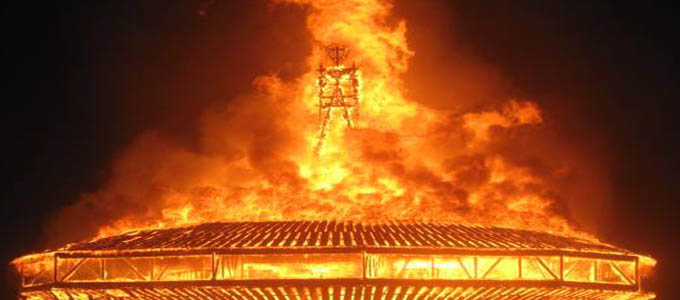
 My experience at Burning Man had three interesting effects on me. The first was that I had an unexplainable renewed hope for humankind. I think that came from this scene, this immense spectacle that people create for a week with only one motive, to share. The other two things I notice was that I had a complete disinterest in people and things that typically annoy me. Those things still were annoying, but I didn’t care. And the last thing, which did wear off in a couple months was breaking into little spontaneous songs at any given time including in public, and not caring.


Recent Comments